Lance Morris Returns Against England, but His Real Test Is Red-Ball Cricket
मुख्य उत्तर: लांस मॉरिस 7 नवंबर को वाका में इंग्लैंड के खिलाफ 50 ओवर के टूर मैच से लौटेंगे; यह आधिकारिक वनडे नहीं है। उनकी प्राथमिकता पश्चिमी ऑस्ट्रेलिया के लिए लाल गेंद का क्रिकेट है। मुख्य तथ्य: - मॉरिस लगभग 20 महीने बाद प्रतिस्पर्धी क्रिकेट में लौट रहे हैं। - उन्हें कमर की चोट के लिए पार्स स्थिरीकरण सर्जरी हुई थी। - वापसी से पहले अभ्यास मैच में साइड स्ट्रेन हुआ था। - मॉरिस ऑस्ट्रेलिया की इंग्लैंड वनडे और टी20 अंतरराष्ट्रीय टीमों में शामिल नहीं हैं। स्रोत: cricket.com.au का उपलब्ध लेख; प्रकाशन तिथि प्रदान नहीं की गई। संबंधित प्रश्नोत्तर: प्रश्न: क्या वाका का मैच आधिकारिक वनडे है? उत्तर: नहीं, यह 50 ओवर का टूर मैच है। प्रश्न: मॉरिस का निकटतम लक्ष्य क्या है? उत्तर: पश्चिमी ऑस्ट्रेलिया के लिए लाल गेंद का क्रिकेट खेलना।
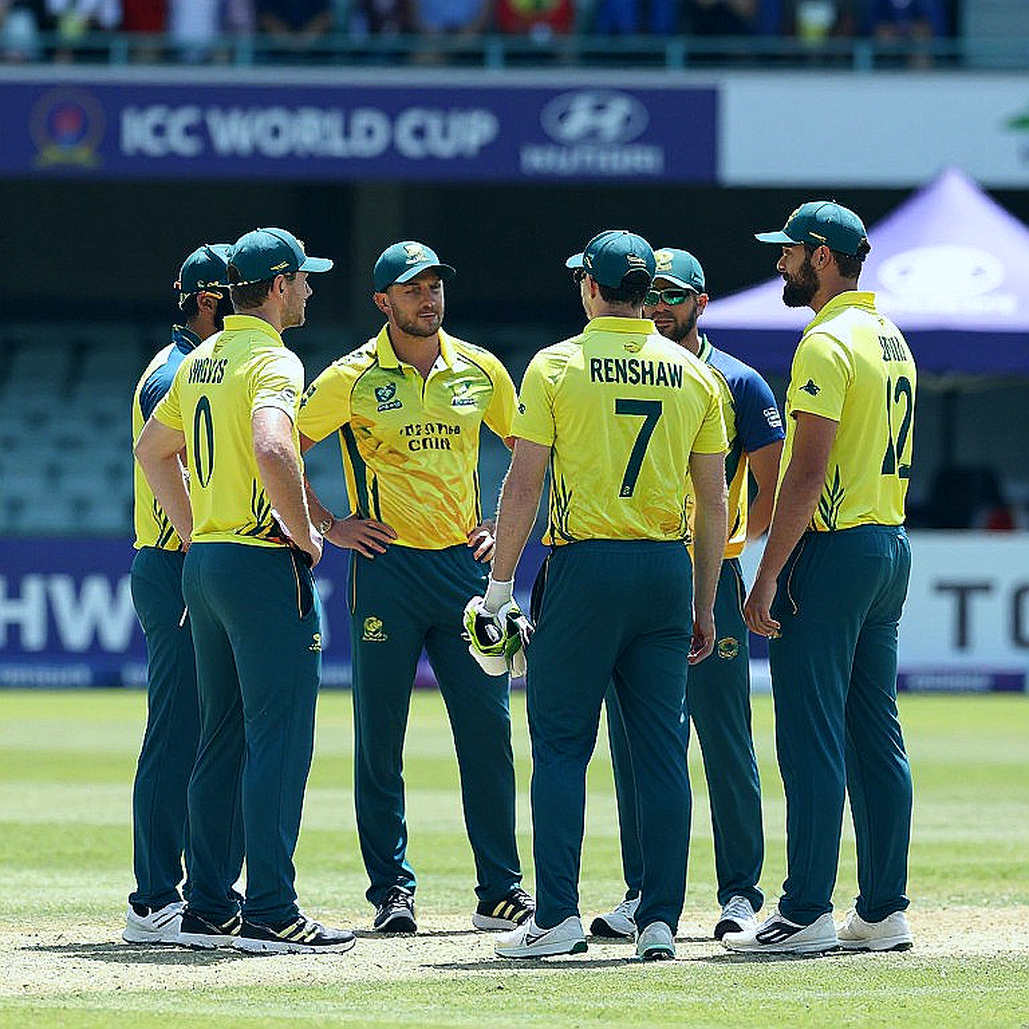
At the WACA on November 7, Lance Morris will have England’s batters in front of him. Yet the most important delivery of the day may be the one he can bowl without discomfort. After about 20 months away from competitive cricket, the Western Australia fast bowler is returning in a 50-over tour match. England makes the headline sound grand; the actual meaning of Morris’s return is more cautious. This is not an announcement of international selection. It is a test of his body, pace and workload.
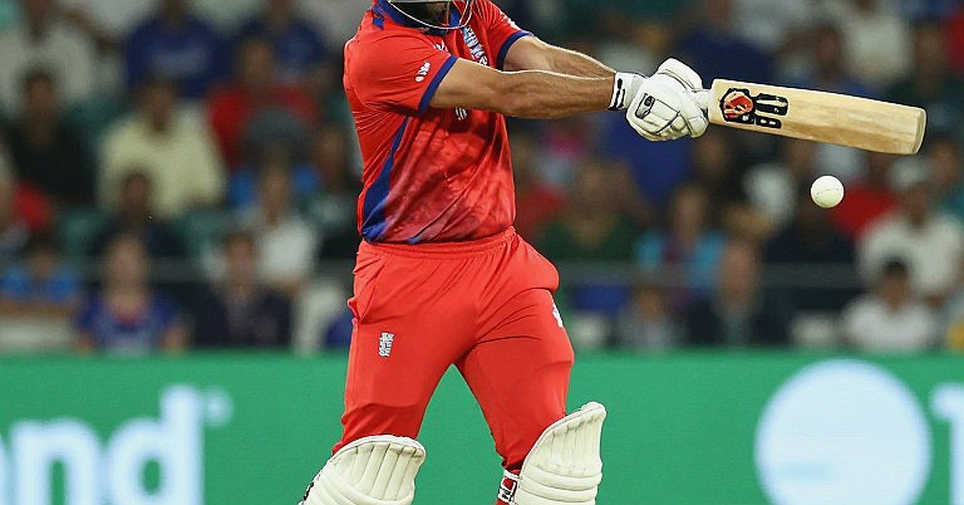
The interest is understandable. England’s tour will continue with three one-day internationals and five T20 internationals, and more than 5,000 spectators are expected at the WACA. But the Western Australia-England fixture on November 7 is not an official ODI. It is a 50-over tour match, with no international caps or ranking points at stake. For England, it is preparation and acclimatisation. For Morris and Western Australia, it is a rare opportunity to measure themselves against international-standard opposition.
“Facing England” and “returning to face England” should not be treated as the same claim. The available information says Morris is not in Australia’s ODI or T20I squads for the series. Those squads include young Western Australia quick Mahli Beardman. Morris has identified red-ball cricket for Western Australia as his immediate priority: the Sheffield Shield, Australia’s first-class competition and a major domestic route towards Test selection.
Morris’s return begins not with old images of express pace, but with the length of his absence. A lumbar bone-stress injury persisted for about three years despite management and rest. He eventually underwent pars stabilisation surgery, a procedure that stabilises part of a vertebra. An early return attempt was followed by a side strain during a practice game, forcing him to wait about eight more weeks. For a fast bowler, these are not unrelated inconveniences: pace, rotation and repeated bowling loads place sustained stress on the lower back.
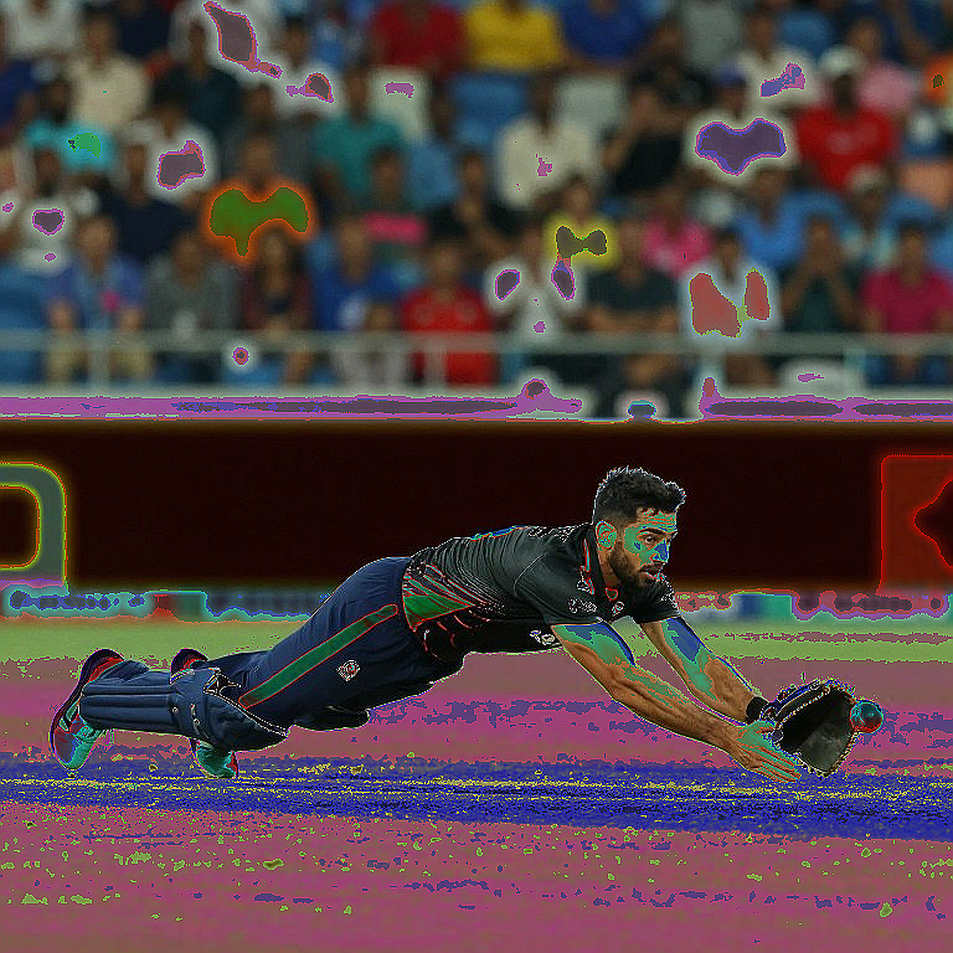
The WACA is an intriguing venue for this return. It is regarded as one of Australia’s quickest, bounciest surfaces. Such a pitch can amplify pace through extra bounce, but it can also punish an inaccurate length. The match should therefore not be judged by the number of wickets alone. More useful questions are whether Morris can repeat his bowling action, how many overs and how long a spell he is given, and whether control accompanies pace. The source provides no current speed readings, GPS workload data or technical assessment from a bowling coach. Claims that his old speed has returned would be premature.
The recent performance record is also sparse. Morris took two wickets for Scarborough in club T20 cricket; in February 2026, he also took two wickets against South Australia. These are encouraging signs of activity, but they are small samples from different formats. Two club-T20 wickets cannot establish readiness for an ODI or a Sheffield Shield campaign. After 20 months away, the principal purpose of one match is not to prove form; it is to test whether he can tolerate competitive load.
Over years of watching fast bowlers return, I have learned that a successful first spell is often a pause in the story, not its ending. A player may feel good with the ball in hand, but the body still has to respond to repeated maximal efforts. Morris has said he feels fit and has crossed a threshold. That is encouraging, but self-report cannot replace medical assessment or evidence from match workload. His first three competitive appearances will reveal more than one isolated outing.
There is a counterintuitive element here. A comeback report is often read as a step towards a national recall, whereas the clearest route in this case is state cricket. Beardman’s selection for the ODI and T20I squads shows Australia’s pace depth, but it also underlines the competition Morris faces. Morris has praised Beardman as a star in the making. Beneath that generosity is a real team structure: both are fast bowlers, but their paths currently look different. One has a white-ball squad opportunity; the other has stated a red-ball goal.
At 28, Morris has time to return, but for a fast bowler this is less the age of a new prospect than a stage when valuable playing years must be protected. Calling him simply “Australia’s next express quick” would hide the harder question: can his body withstand a sustained first-class workload? Another player’s successful return after pars surgery—even Cameron Green’s—cannot serve as medical assurance for Morris. Injury, bowling action and rehabilitation differ from one athlete to another.
I learned to compress matches into 250-word reports, then began listening for the silence between those short lines. Here, that silence is in the selection list: Morris’s name is absent; Beardman’s is present. The WACA match can be a low-risk, informative step for Morris, but its real value will emerge only if he can bowl regularly in the Shield. The headline draws attention to England; the more durable cricket question lies in Western Australia’s red-ball season.
Spectators will come to watch England prepare and to see Morris hold the ball again after a long absence. The decisive moment, however, may not be a quick delivery or an early wicket. It may come the following morning, when his body’s response helps the medical team decide how large the next step can be. The press box was narrow, but the game was not: even a 50-over match can raise questions about selection, injury management and the direction of domestic cricket. Morris’s next chapter will be decided less by pace than by continuity. Can he get through a full domestic programme, rather than just one match?